
Purchasing a used vehicle can be a daunting task, especially with the risk of encountering flood-damaged cars. These vehicles can pose significant safety and reliability issues, making it essential for owners and prospective buyers to know how to identify potential problems. Here’s what you need to know to protect yourself and your investment.
What owners should know
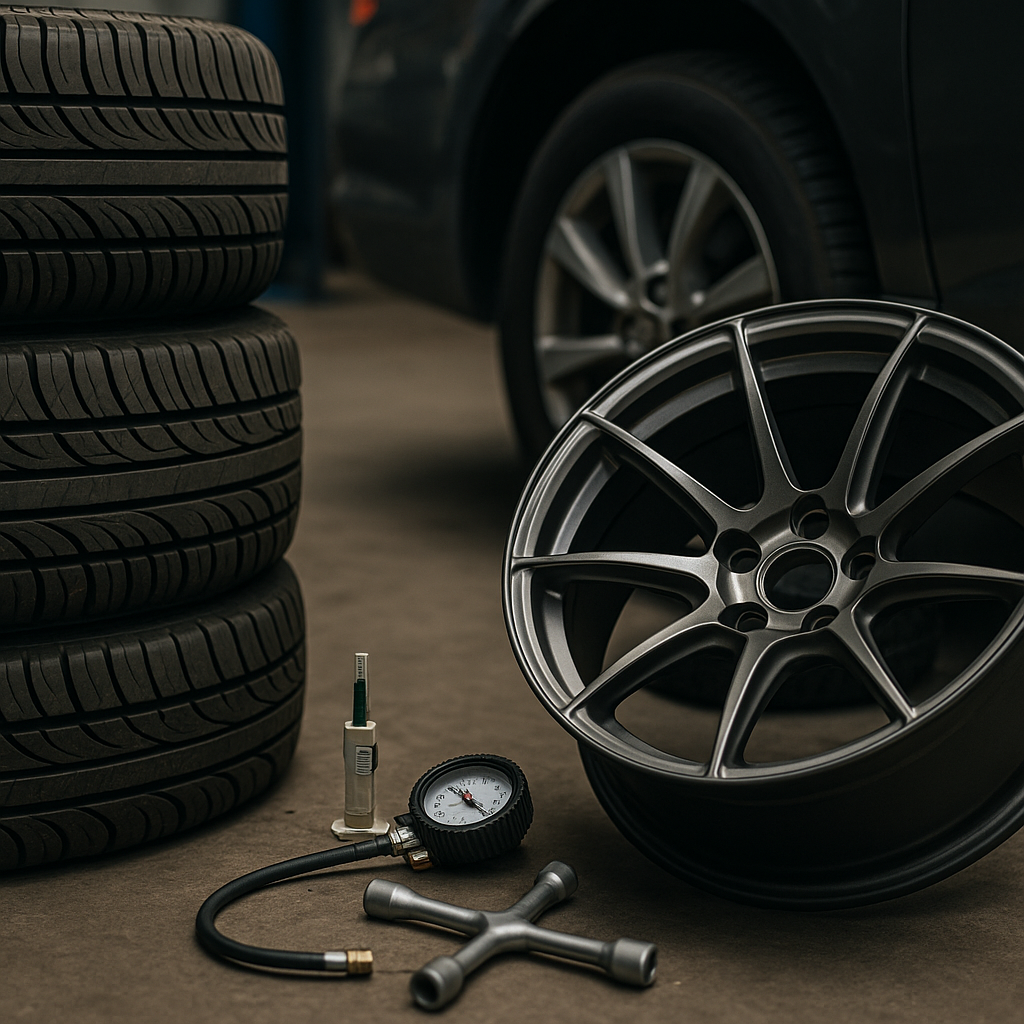
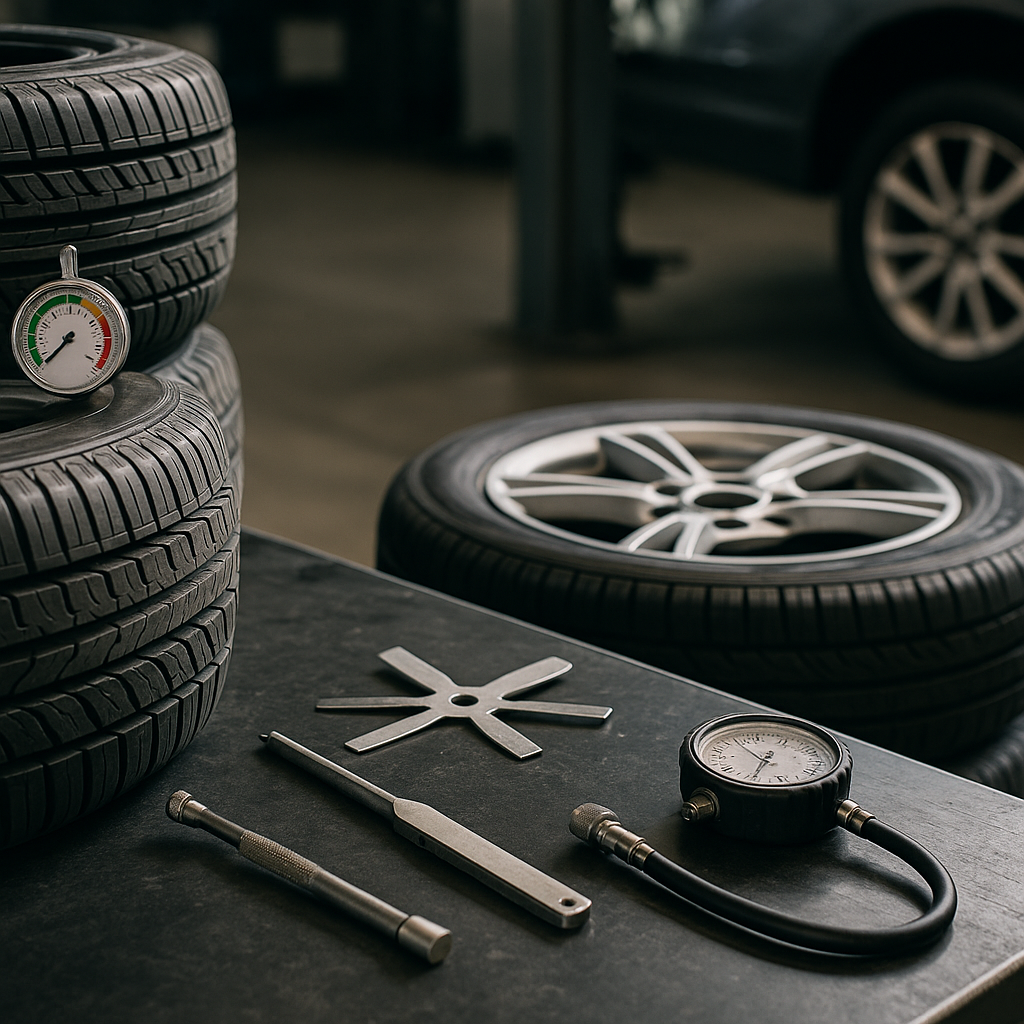
Flood-damaged cars may appear normal at first glance, but they often harbor hidden issues that can lead to costly repairs down the line. Water can infiltrate critical components, including the electrical system, engine, and transmission. Signs of water damage can be subtle, so it's important to be vigilant. Look for unusual odors, especially musty smells that indicate mold or mildew. Check for water stains or rust in areas that are typically dry, such as under the dashboard or in the trunk. Additionally, inspect the tires for signs of uneven wear, which can indicate prior damage or misalignment caused by previous flooding.
Why it matters
Understanding the implications of buying a flood-damaged vehicle is crucial for your safety and financial well-being. These cars can suffer from long-term mechanical issues that may not be immediately apparent. The presence of water can lead to corrosion, affecting the vehicle's structural integrity and performance. Furthermore, if you unknowingly purchase a flood-damaged car, it could significantly decrease in value, making it harder to sell or trade in later. Being informed can save you from potential headaches and financial losses.
What to document
When shopping for a used vehicle, thorough documentation is key. Always request a vehicle history report to check for any flood-related incidents. If you notice any signs of water damage, document them with photos and notes. This information can be invaluable if you decide to negotiate the price or if you need to provide evidence of the vehicle's condition later on. Keeping detailed records of your inspections and findings can also help when it comes time to sell the vehicle, as prospective buyers will appreciate transparency regarding its history.
Drifolio takeaway
Being proactive and informed is your best defense against purchasing a flood-damaged vehicle. Take the time to thoroughly inspect any used car you consider buying, and don’t hesitate to walk away if something feels off. Utilize Drifolio to maintain a detailed record of your vehicle’s history, including any inspections and repairs. This practice not only enhances your ownership experience but also adds value to your car when it’s time to sell. Stay vigilant, and you can enjoy your driving experience without the shadow of hidden damage looming over you.